Visiting the Taj Mahal in Winter: A Practical Guide to Fog, Timings, and Warmth
Planning a winter trip to the Taj Mahal? Discover how morning fog affects views, optimal visiting hours, winter clothing advice, and photography tips.
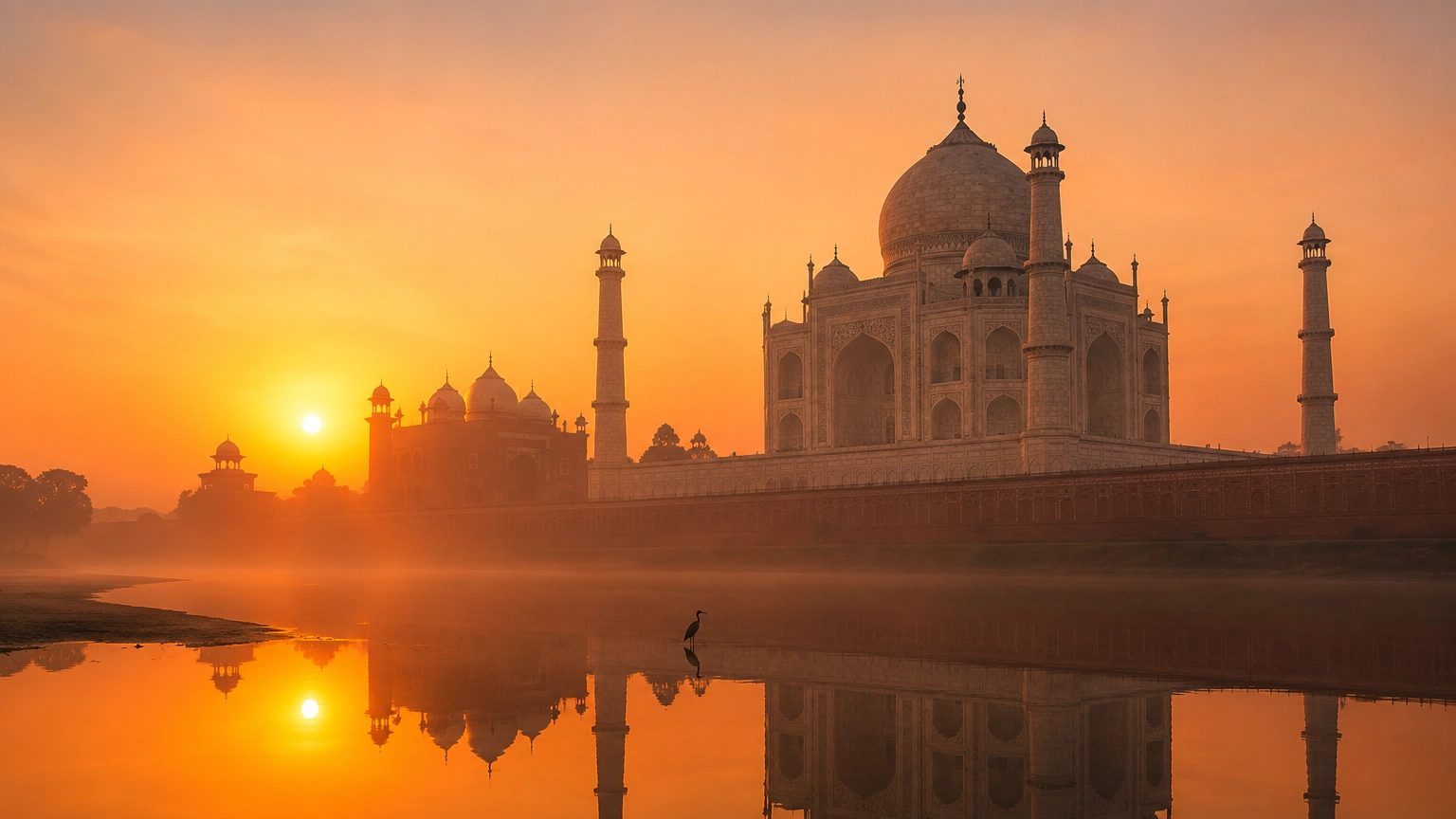
Winter in North India brings a distinct shift in atmosphere. From late November through February, the intense heat of the plains gives way to crisp air, cool breezes, and a soft morning mist that rolls over the Yamuna River. Seeing the ivory-white marble of the Taj Mahal emerge slowly through the winter haze is a quiet, ethereal experience—one that many travelers consider the most atmospheric way to see the monument.
However, winter travel in Agra comes with its own unique set of logistics. If you are planning a winter visit to the Taj Mahal, here is a practical overview of what to expect, how to manage the seasonal fog, and how to make the most of your day.
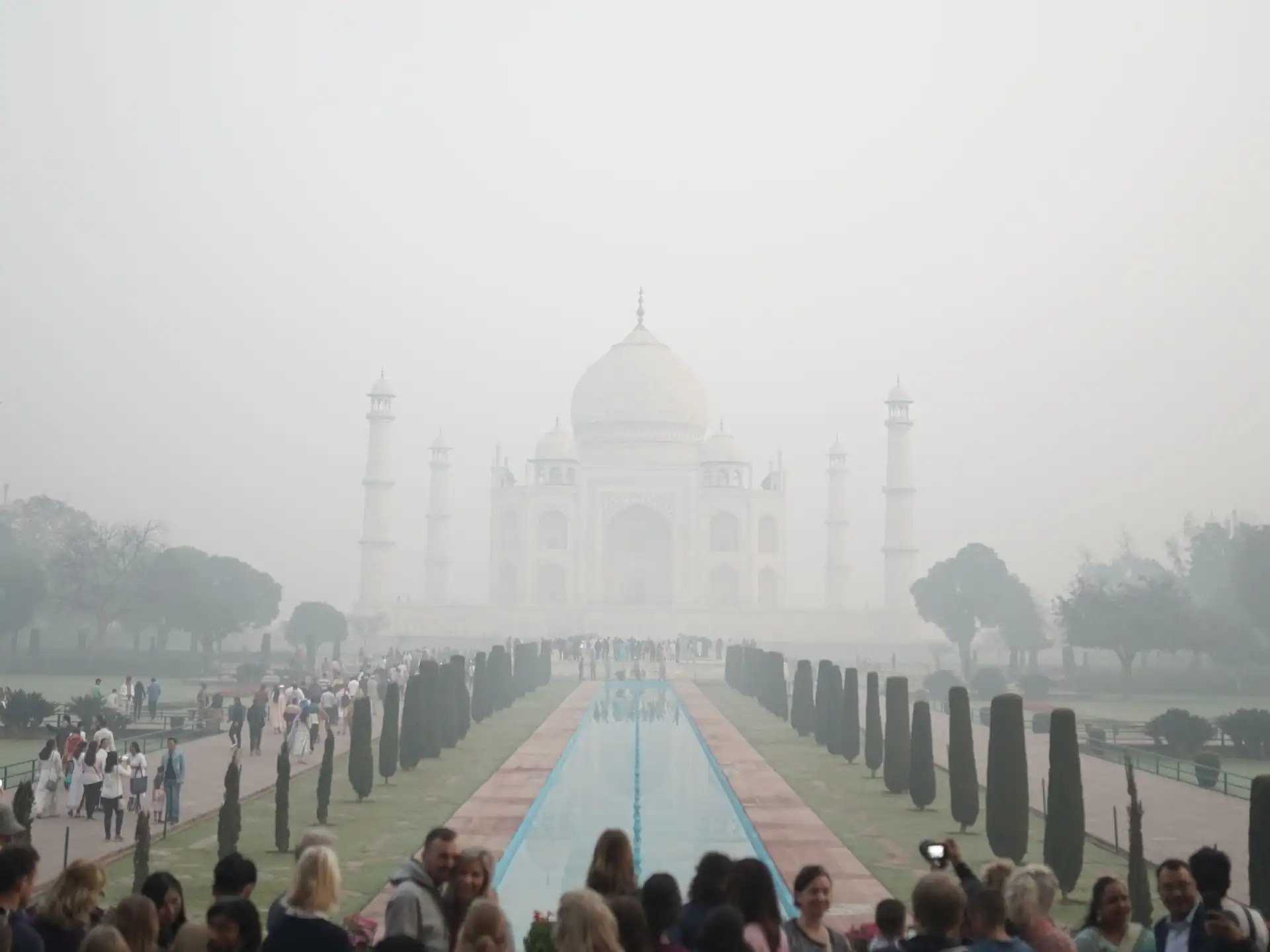
Winter mornings offer a soft, dreamy quality as light filters through the light river mist.
1. Understanding the Winter Fog (December & January)
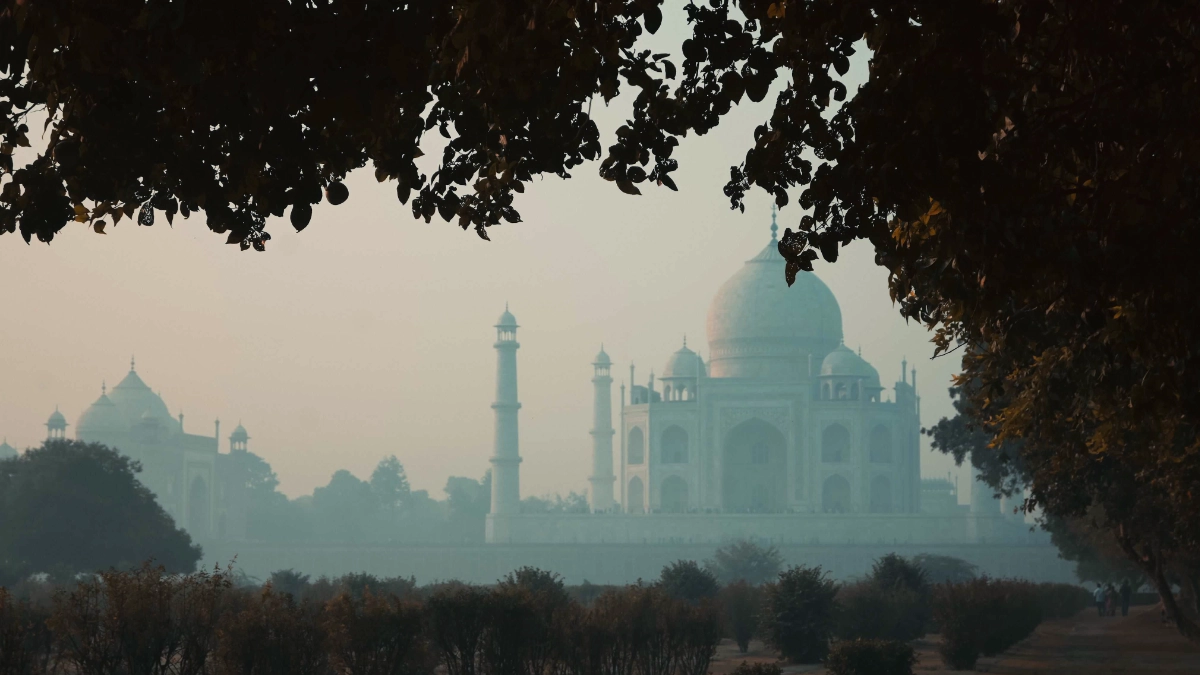
The single most important factor during an Agra winter is the morning fog. Dense fog patches frequently settle over the Indo-Gangetic plains during December and January, particularly during the early morning hours.
While sunrise is traditionally the most recommended time to visit the Taj Mahal throughout the rest of the year, winter mornings can sometimes bring heavy visibility reductions. On thick fog days, the main dome may be partially obscured until the sun burns off the moisture layers.
A Helpful Winter Timing Strategy:
During peak fog weeks (late December to mid-January), consider entering the monument around 8:30 AM to 9:30 AM rather than right at dawn. By mid-morning, the fog usually clears into bright, clear blue skies, giving you crisp visibility and comfortable sun warmth.
2. What to Wear: Layering is Essential
A common misconception is that India is always hot. Winter mornings in Agra can be surprisingly cold, with temperatures dropping to 7°C–10°C (45°F–50°F). Because you will be outdoors for several hours, dressing in light layers is the best approach:
- Early Hours: A warm jacket, fleece, or light down coat paired with a scarf works best for early gate arrival.
- Midday Heat: By noon, temperatures usually rise to a pleasant 20°C–23°C (68°F–73°F). You will likely want to shed your heavy outer layer as you walk through the gardens.
- Socks for Marble Floors: To walk onto the raised main marble mausoleum platform, you must wear shoe covers or remove your shoes. Carrying a pair of thick cotton or wool socks in your coat pocket keeps your feet warm on the cool marble surfaces.
3. Photography Tips for Foggy and Soft-Light Conditions
Winter fog should not be seen as a drawback; it offers photographers a rare opportunity for atmospheric, minimalist imagery that looks quite different from bright summer snapshots.
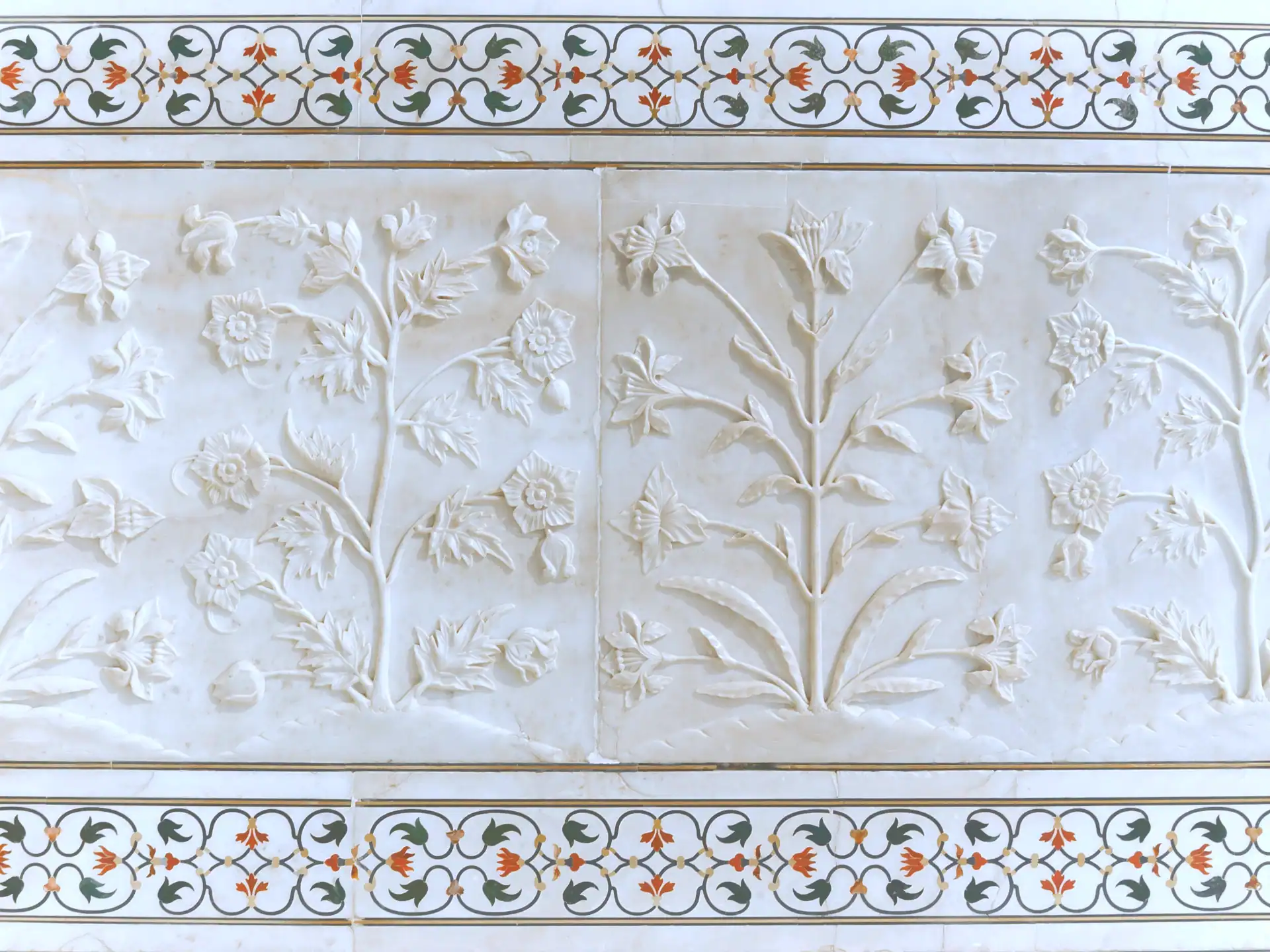
When distant views are hazy, focus on the exquisite Pietra Dura marble inlays and sandstone carving details.
- Focus on Detail & Foreground: If the main dome is partially veiled in fog early on, spend that time admiring the fine red sandstone arches of the Darwaza-i-Rauza (Great Gate) and the intricate marble carvings up close.
- Use the Sandstone Mosque: The dark red sandstone of the western mosque provides magnificent architectural contrast against the soft white background of a misty morning.
- Patience Rewards You: Fog in Agra clears gradually. Standing by the central reflecting pool as the sun cuts through the mist and slowly reveals the silhouette of the mausoleum is a magical moment worth waiting for.
4. Sunset Alternatives: Mehtab Bagh
Winter afternoons in Agra feature clear skies and golden sunlight. Viewing the Taj Mahal at sunset from Mehtab Bagh across the Yamuna River offers a peaceful perspective. The late afternoon light casts a warm, honey-toned glow across the marble facade, offering ideal conditions for quiet landscape photography.
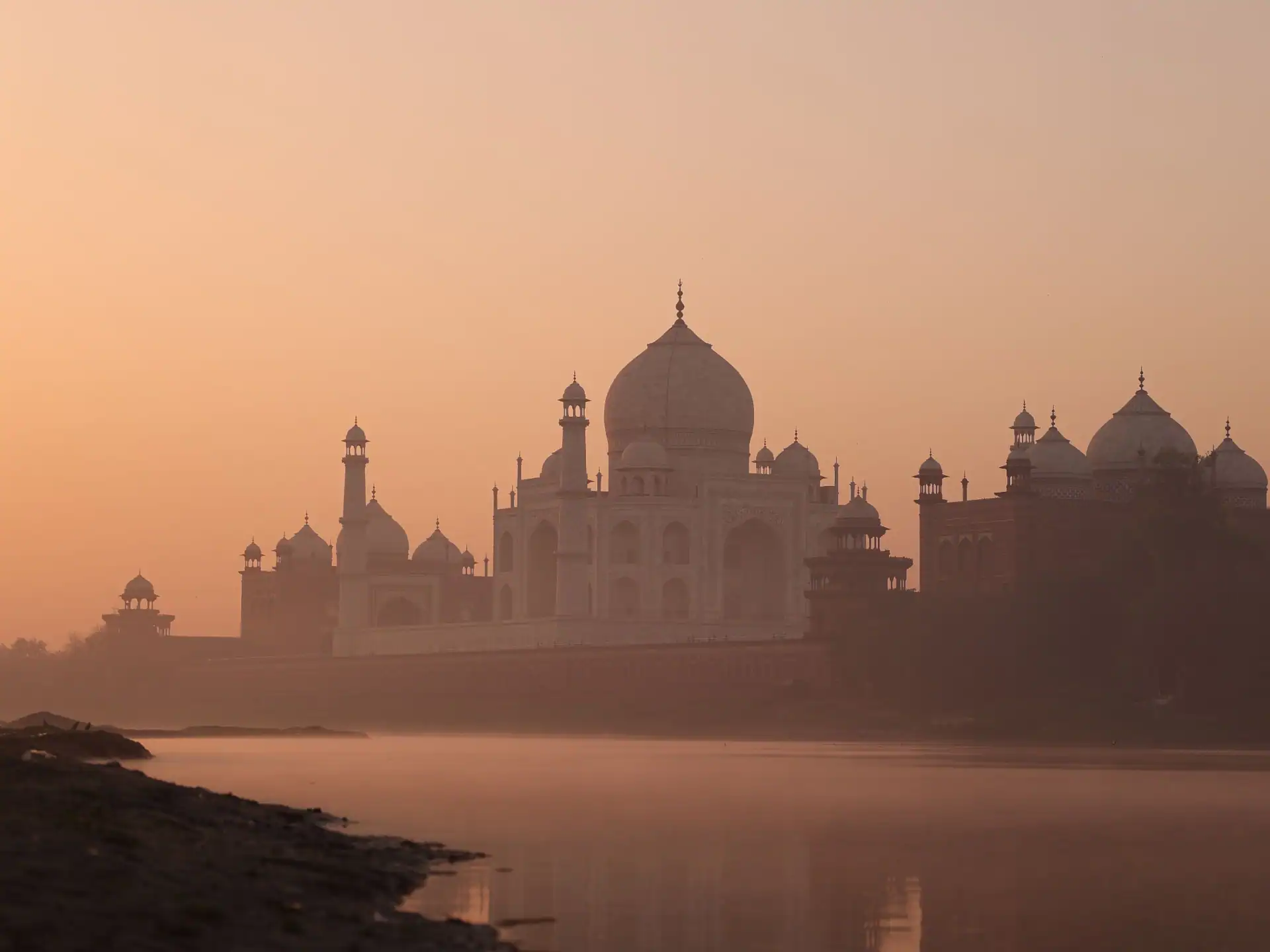
Afternoon light across the Yamuna River brings out warm golden tones on the white marble.
5. Winter Travel Logistics: Trains and Highways
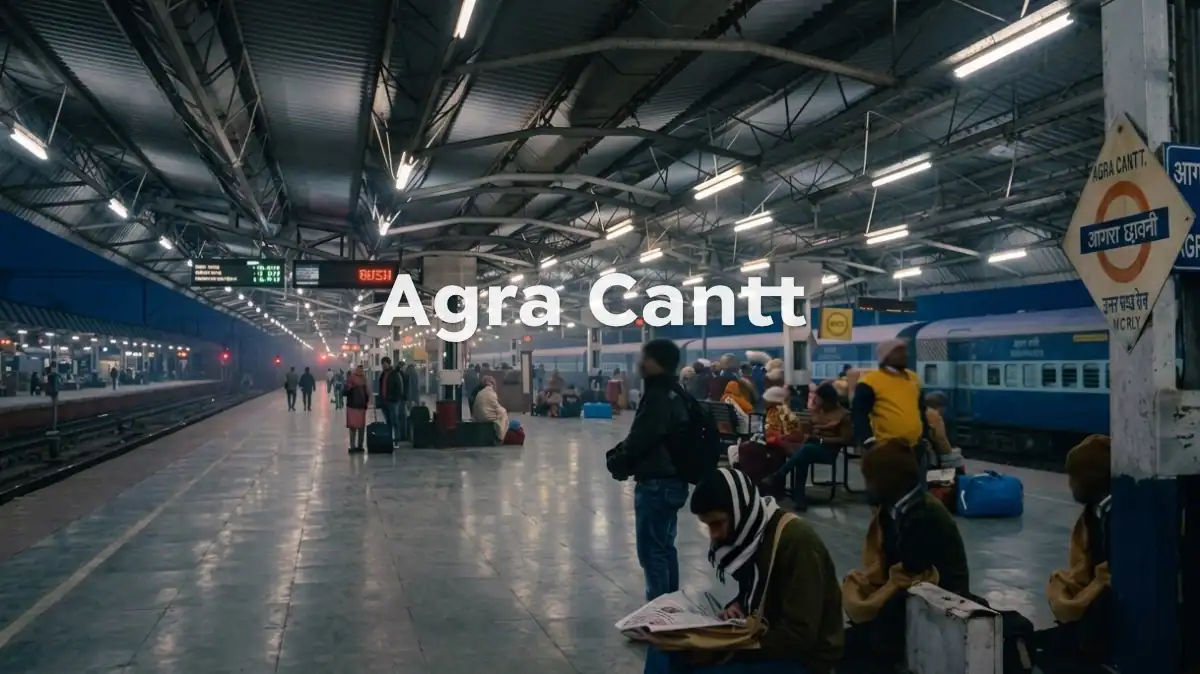
If you are traveling to Agra from Delhi, keep in mind that morning fog can occasionally affect highway traffic speeds and early train departures.
- Express Trains: Superfast trains like the Gatiman Express generally operate on steady schedules, though minor winter delays can occur.
- Private Highway Transfers: Driving via the Yamuna Expressway in a private AC vehicle provides flexibility. Experienced drivers adjust departure times to ensure you travel safely after early morning highway fog lifts.
Planning Your Winter Excursion with Local Knowledge
Whether you choose a swift day trip or an overnight stay, winter is undoubtedly one of the most comfortable seasons to explore North India's heritage. You can explore several travel choices based on your schedule:
- Day Excursions: Consider our comfortable Same Day Taj Mahal Sunrise Tour from Delhi or our fast Gatiman Express Day Tour.
- Leisurely Overnight Trips: Enjoy a relaxed evening in Agra with our Overnight Taj Mahal Sunrise Tour, giving you ample time to visit the Agra Red Fort and Baby Taj.
- Complete Circuits: Combine Agra with Jaipur on our popular 5-Day Golden Triangle Package or 6-Day Golden Triangle Itinerary.
For custom guidance tailored to international guests, visit our dedicated US Travelers Resource Hub.
Planning a Winter Visit to the Taj Mahal?
Let our Agra-based team handle your private transfers, verified entry tickets, and winter itinerary timing seamlessly.