Agra Fort: Visitor Guide, Ticket Prices & History
The primary residence of the Mughal emperors until 1638, this massive red sandstone fortress encompasses royal palaces, audience halls, and marble mosques.
Overview
Constructed primarily by Emperor Akbar in 1565 on the banks of the Yamuna River, Agra Fort is a walled imperial city that traces the architectural transition from Akbar's red sandstone structures to Shah Jahan's white marble additions.
Spanning over 94 acres, the fort houses prominent historical structures including Jahangiri Mahal, Diwan-i-Khas, and Musamman Burj—the octagonal tower where Shah Jahan spent his final years under house arrest gazing at the Taj Mahal.
Key Highlights to See
Visitor Rules & Essential Tips
- Taj Photo Spot: Look through the marble archways of Musamman Burj for framed long-distance photo shots of the Taj Mahal.
- Expansive Walking: Prepare to walk across large cobblestone plazas and ramps across the central courtyards.
- Active Military Zone: Two-thirds of Agra Fort is utilized by the Indian Army and is strictly off-limits to tourists.
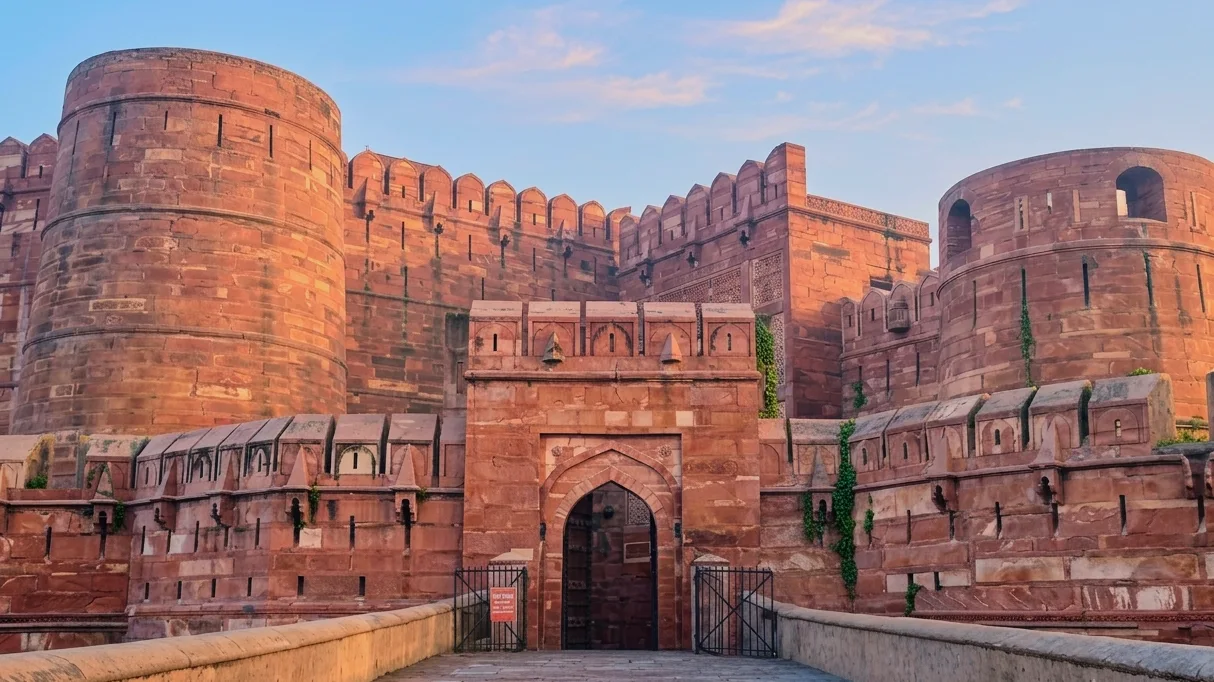
- Gate Entry: Public access is strictly through the Amar Singh Gate on the southern end.
- Ticket Combo Discount: Retain your Taj Mahal entry ticket stub to claim a small discount when purchasing your Agra Fort ticket on the same day.
Frequently Asked Questions
Can you see the Taj Mahal from Agra Fort?
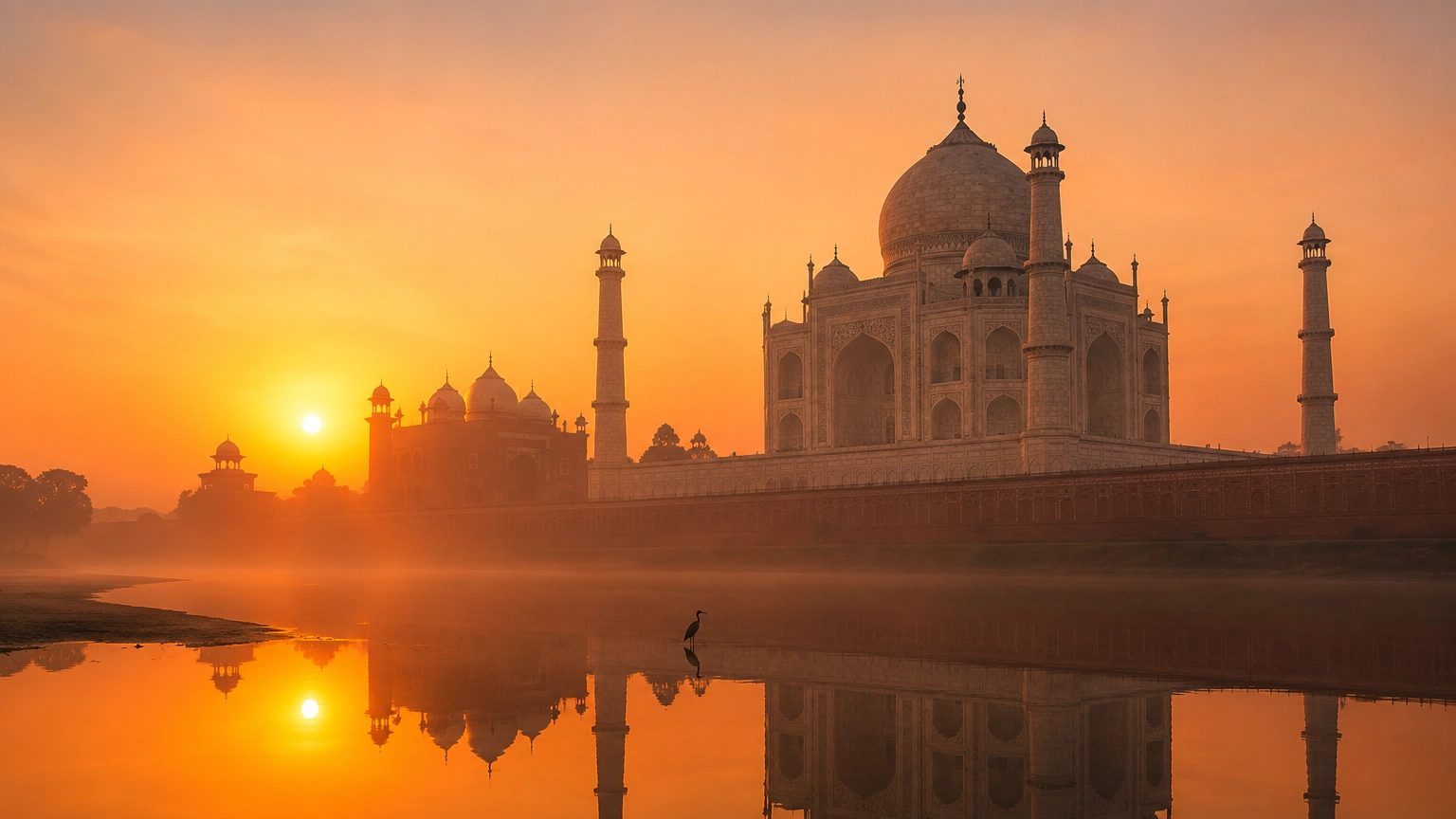
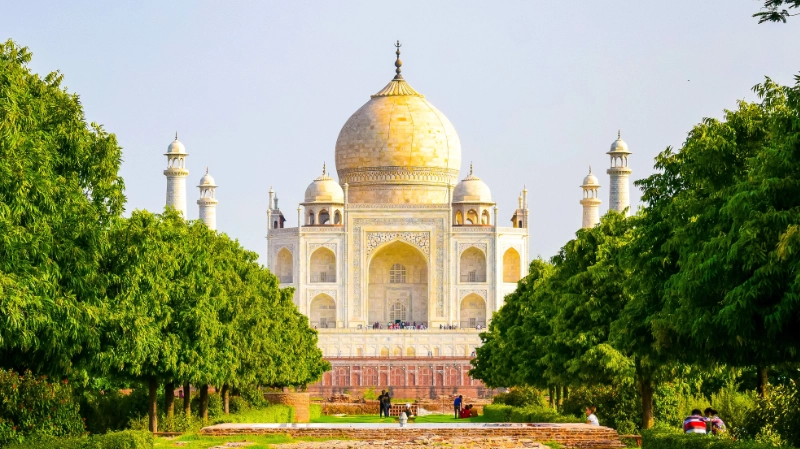
Yes, the marble balconies of the Musamman Burj offer direct views of the Taj Mahal across the river.
How much walking is required?
Expect around 1.5 to 2 km of walking across stone courtyards, ramps, and open terraces.