What to Expect on Your First Trip to the Taj Mahal | 2026 Guide
First time at the Taj Mahal? Learn about entry gate procedures, strict security rules, shoe covers, best photo spots, and tour options from Delhi.
Seeing the Taj Mahal in person is a moment that stays with you forever. Standing before this ivory-white marble masterpiece—built by Mughal Emperor Shah Jahan in memory of his beloved wife Mumtaz Mahal—is a highlight for travelers from all around the globe. However, because it is one of the world's most celebrated heritage sites, navigating the grounds on your first visit can feel overwhelming without proper preparation.
To help you enjoy a seamless, stress-free experience, here is an insider overview of what to expect step-by-step when you arrive at the Taj Mahal in Agra.
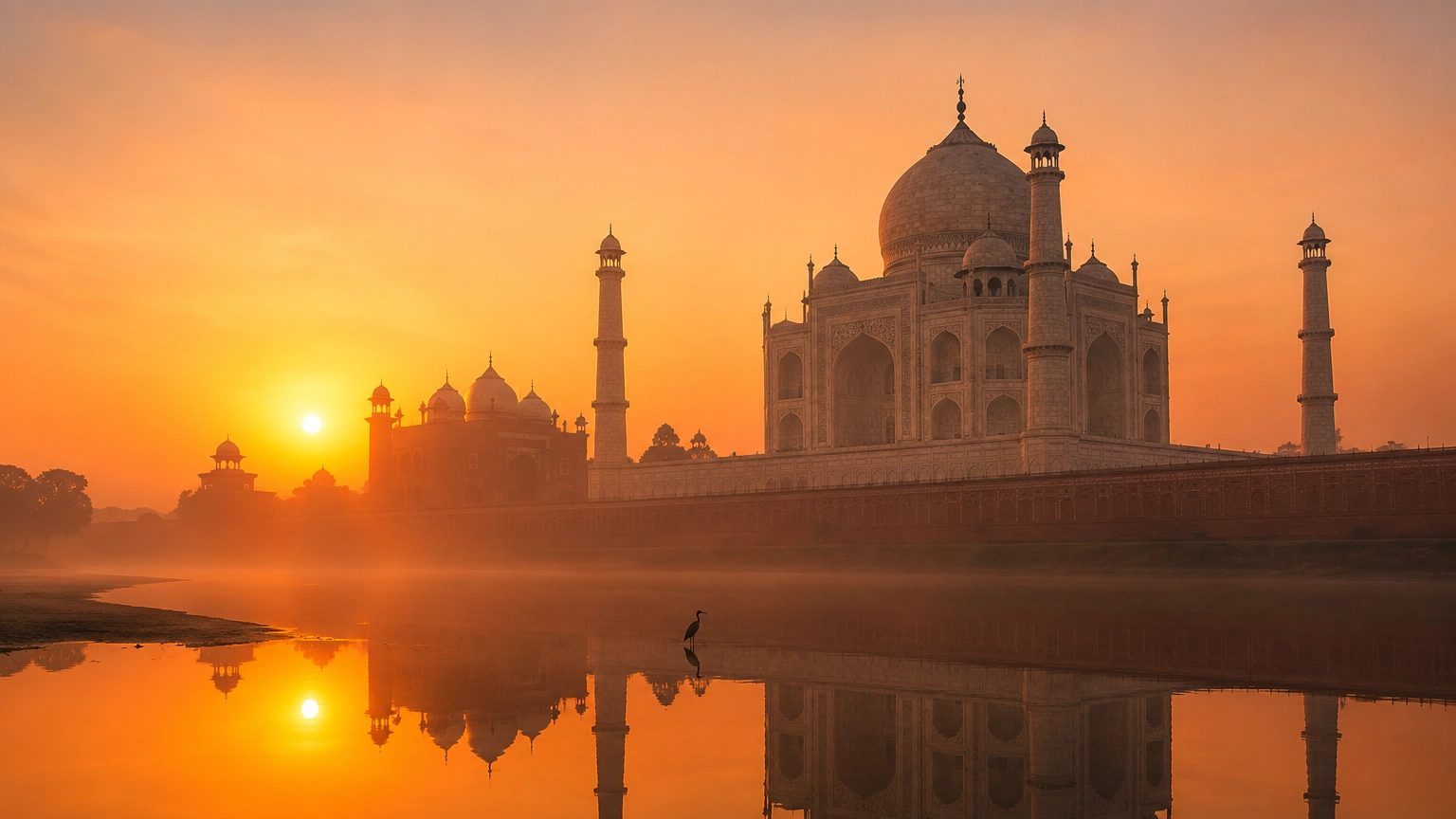
The classic view of the Taj Mahal framed along the central reflecting pool at dawn.
1. Entry Gates and Pollution-Free Zones
To protect the delicate white marble from vehicle emissions, the Indian government enforces a strictly regulated 500-meter eco-zone around the monument. Gas-powered cars and buses are not permitted directly outside the main gates.
There are two primary entry gates for tourists:
- Eastern Gate: Generally offers shorter queues, making it the preferred entry point for international travelers and early morning visits.
- Western Gate: Nearer to local markets, this gate tends to experience higher crowd volumes throughout the afternoon.
From the vehicle drop-off parking area, visitors travel to the entry gates via battery-operated electric golf carts (e-rickshaws) or on foot along paved pedestrian paths.
2. Strict Security Screenings and Prohibited Items
Security at the Taj Mahal is managed with military precision by the Central Industrial Security Force (CISF). Screening lines are separated by gender, and every bag undergoes airport-style X-ray inspection.
To pass security smoothly without losing time, carry only a small personal shoulder bag containing your essentials: passport, smartphone, camera, wallet, and water bottle.
Prohibited Items to Leave in Your Hotel or Vehicle:
Large backpacks, camera tripods, monopods, drones, electronic chargers/power banks, food items, tobacco products, lighters, knives, and sharp objects. If brought to the gate, these items must be checked in at locker facilities outside, causing unnecessary delays.
3. The Grand Entrance Through the Darwaza-i-Rauza
After clearing security, you walk toward the monumental red sandstone gateway known as the Darwaza-i-Rauza (Great Gate). The portal is purposefully engineered to create an optical illusion: as you approach the archway, the Taj Mahal appears vast, but as you step through, it opens up into the full expanse of the Charbagh (Mughal Persian garden).
4. Respecting Dress Codes and Shoe Cover Rules
While there is no formal religious dress code required to enter the grounds, wearing respectful attire (covering shoulders and knees) is recommended out of cultural courtesy and sun protection.
When you step onto the main elevated marble mausoleum platform, you must either remove your shoes or wear disposable cloth shoe covers (which are included with high-value foreign tourist tickets). Carrying a spare pair of socks in your bag makes walking across the smooth marble platform comfortable year-round.
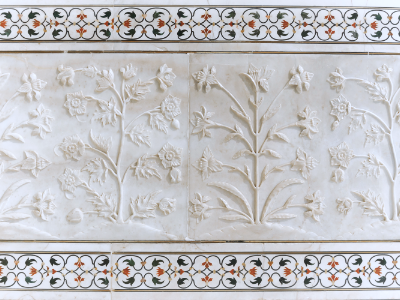
Up close, you can admire intricate Pietra Dura (Parchin Kari) marble inlays featuring semi-precious stones.
5. Inside the Main Mausoleum
The interior octagonal chamber houses the cenotaphs of Mumtaz Mahal and Shah Jahan, surrounded by delicately carved marble screens (Jali). Photography is strictly prohibited inside the main inner tomb chamber, and visitors are asked to maintain silence as a sign of respect.
6. Iconic Photo Locations You Should Not Miss
While the central marble bench (popularized as the "Diana Bench") offers the iconic postcard photograph, several alternative spots provide breathtaking perspectives:
- The Red Sandstone Mosque (West Side): Offers stunning archway framing of the white dome during morning light.
- The Jawab (East Side): Mirrored building opposite the mosque offering quieter marble walkways and soft illumination.
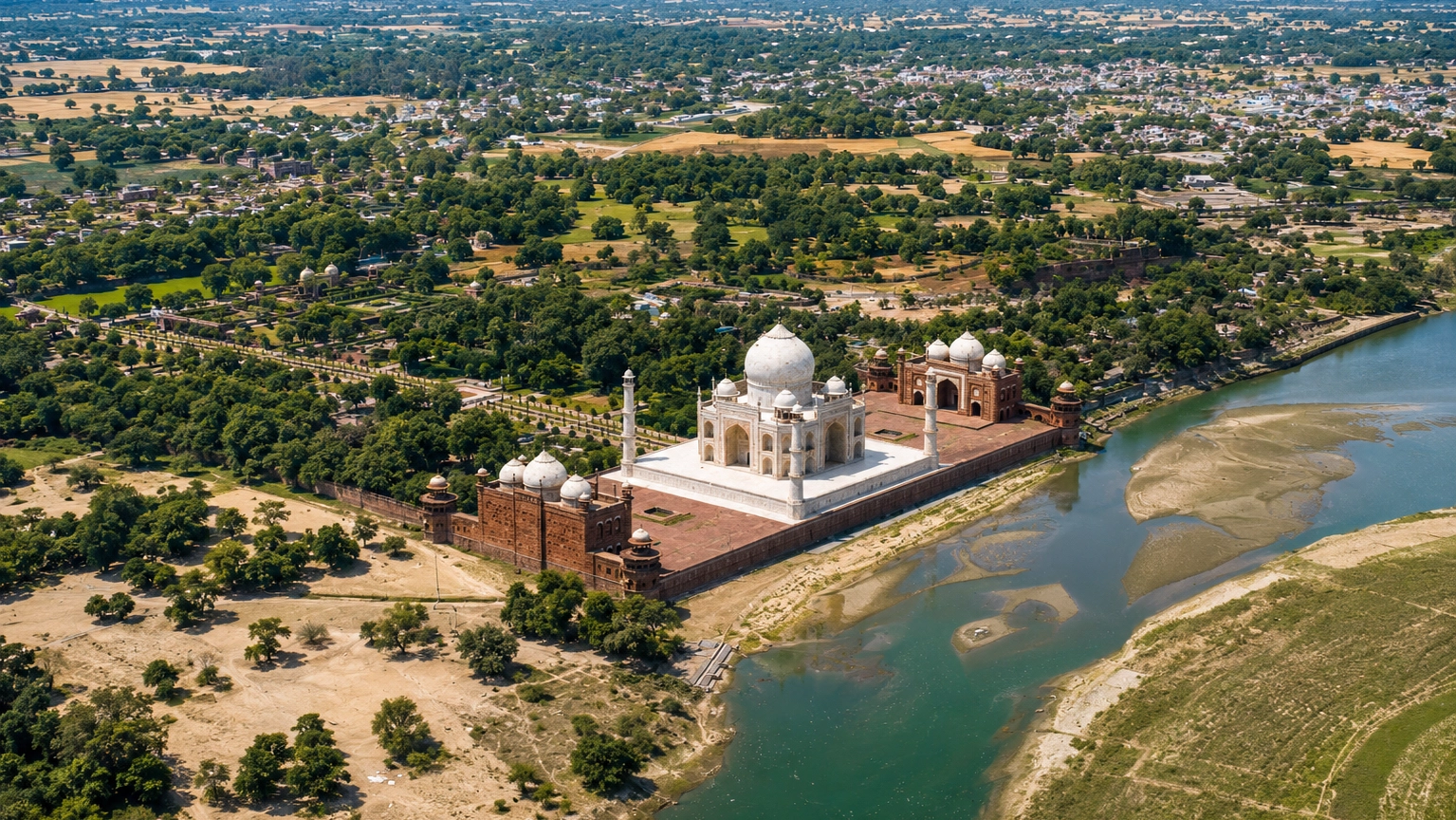
- Mehtab Bagh Across the River: Located directly across the Yamuna River, this garden offers serene sunset views framing the rear elevation.
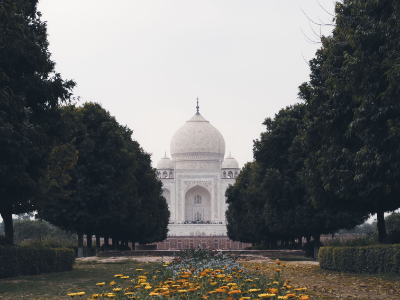
Viewing the Taj Mahal across the Yamuna River from Mehtab Bagh during sunset offers a tranquil perspective.
7. The Best Time to Visit
Visiting at sunrise remains the single best way to experience the Taj Mahal. The morning air is cool, crowd numbers are low, and the soft dawn light casts shades of pink and gold across the marble facade.
Please note: The Taj Mahal is closed every Friday for religious prayers. Plan your itinerary accordingly!
8. How to Plan Your Journey from Delhi
Depending on your personal timeline, visiting Agra can be done seamlessly in a single day or as part of a multi-day itinerary:
- Same-Day Sunrise Tour: Leave Delhi early via private AC vehicle on our Same Day Taj Mahal Sunrise Tour from Delhi or take our fast Same Day Agra Tour by Car.
- Express Train Options: Take India's fastest rail link on our Gatiman Express Tour or combine your trip with the abandoned red sandstone city on our Shatabdi Express Tour.
- Overnight Stays: Relax in Agra the night prior with our Overnight Taj Mahal Sunrise Tour, allowing you to explore nearby heritage monuments like Agra Red Fort, Baby Taj, and Fatehpur Sikri.
For visitors continuing onward to Jaipur, Agra forms the centerpiece of our popular 5-Day Golden Triangle Package and 6-Day Golden Triangle Tour.
Experience the Magic with Local Agra Experts
Navigating monument ticketing, entry gates, and transportation is effortless when you travel with Taj & Triangle Tours. As an Agra-based tour operator, we provide dedicated private vehicles, verified government-licensed guides, pre-arranged tickets, and a strict zero forced shopping guarantee.
Learn more about our specialized packages for overseas visitors on our US Travelers Resource Hub.
Ready to See the Taj Mahal in Person?
Let our local team handle your tickets, private transfers, and guided sightseeing for a stress-free journey.