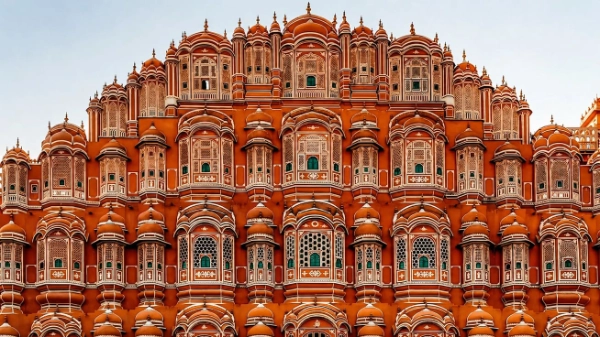
Hawa Mahal Jaipur: Visitors Guide & Timings
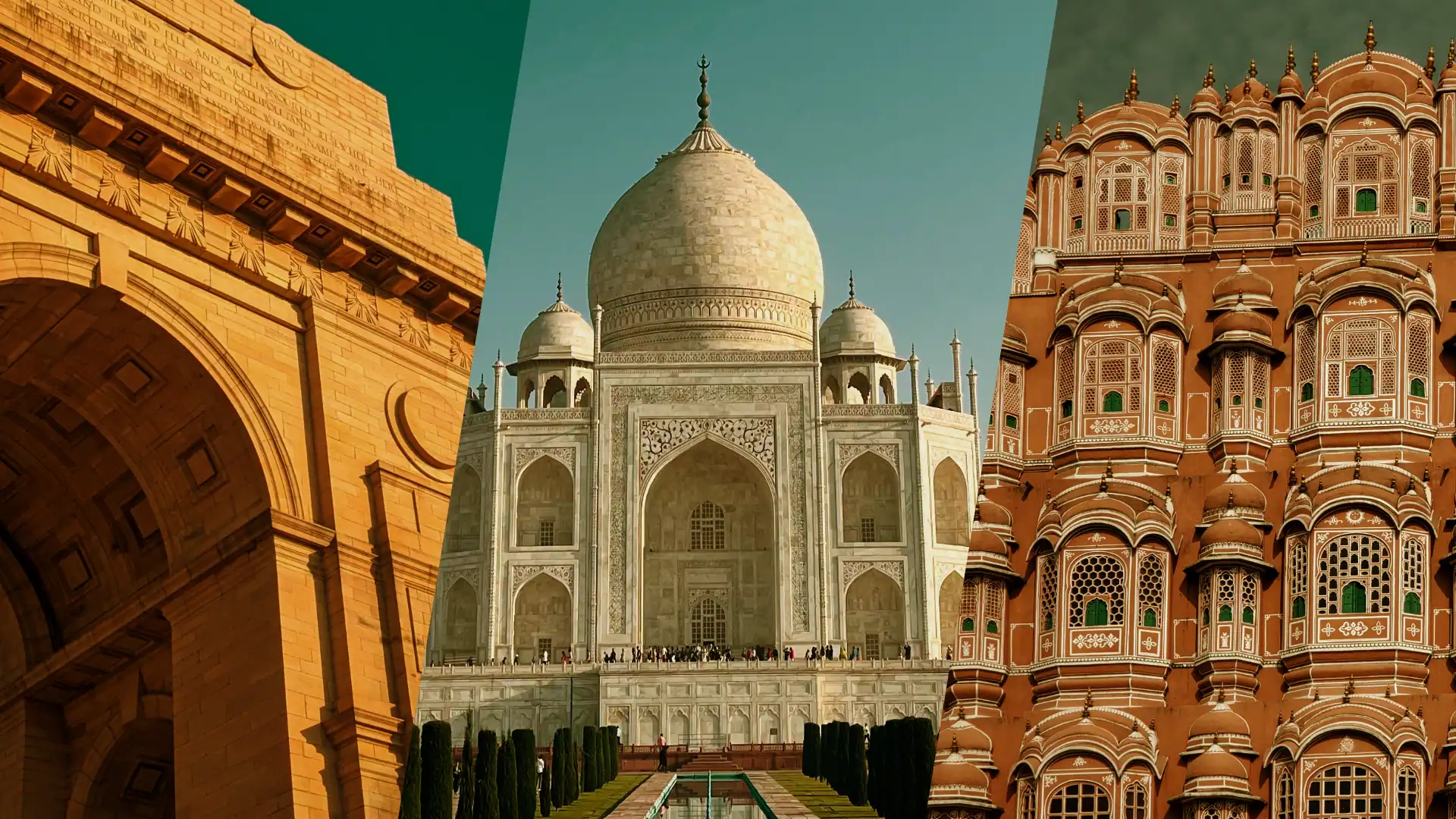
The signature icon of Jaipur, Hawa Mahal is a five-story honeycomb structure made of pink and red sandstone designed with 953 lattice windows.
Overview
Built in 1799 by Maharaja Sawai Pratap Singh, Hawa Mahal (Palace of Winds) is one of Jaipur's most recognizable heritage sites. Designed by Lal Chand Ustad, its iconic exterior mimics the crown of Lord Krishna.
The facade features 953 small carved windows (jharokhas) engineered to pass cool breezes through the interior while allowing royal women to observe daily street life discreetly without breaking purdah regulations.
Key Highlights to See
Visitor Rules & Essential Tips
- Facade Street Photo: The iconic view of Hawa Mahal is taken from the main street outside (or rooftop cafes across the street), not from inside.
- Narrow Staircases: The upper levels feature steep, narrow ramps and stairs without elevators; watch your step.
- Rooftop Cafes: Visit the street-facing rooftop cafes directly opposite the building for great view angles.
Frequently Asked Questions
Why does Hawa Mahal have so many windows?
The windows were built to allow royal women to watch public processions unnoticed while generating a cool airflow through the building.
Is it worth going inside Hawa Mahal?
Yes, going inside reveals the rear courtyards, fountain pools, and excellent views from the top balconies.
Where is the best place to photograph Hawa Mahal?
Tattoo Cafe or Wind View Cafe directly across the street offer ideal front-facing balcony angles.