
Humayuns Tomb Delhi – The Architectural Inspiration for the Taj Mahal
The magnificent red sandstone garden tomb that served as the architectural prototype for the Taj Mahal.
Overview
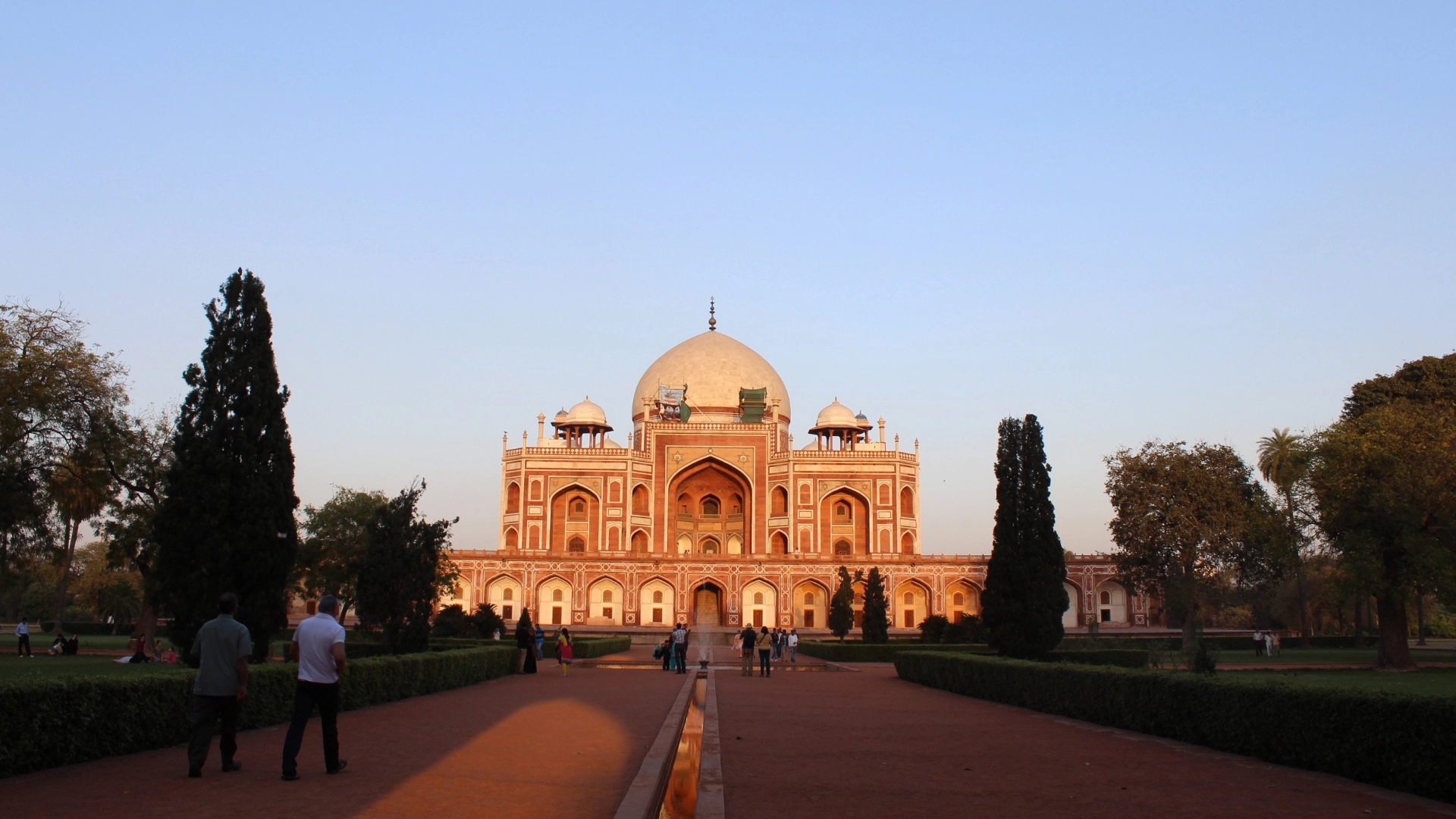
Humayun's Tomb is one of the most magnificent examples of early Mughal architecture in India and an extraordinary monument to experience as a visitor. Built in the 16th century as the tomb of Mughal Emperor Humayun, the monument is renowned for its grand proportions, elegant symmetry, red sandstone façades, white marble details, and beautifully designed surroundings. Its distinctive combination of monumental architecture and serene open spaces gives visitors a strong sense of the artistic ambition of the Mughal era.
The architectural design of Humayun's Tomb reflects a fascinating blend of Persian and Indian architectural traditions. The imposing central dome, high arched entrances, ornamental chhatris, geometric patterns, and contrasting red sandstone and white marble create a remarkably balanced appearance. The monument is especially admired for its symmetrical design and its carefully planned Charbagh garden, where pathways and water channels divide the landscape into geometric sections surrounding the tomb.
As visitors approach the tomb through its grand gateway and walk through the formal gardens, the scale and elegance of the monument gradually unfold. The elevated platform, intricate stonework, recessed arches, marble detailing, and imposing double dome make Humayun's Tomb particularly impressive from both close and distant viewpoints. The peaceful garden setting also provides an opportunity to appreciate the relationship between Mughal architecture, landscape design, and symmetry.
Recognized as a UNESCO World Heritage Site, Humayun's Tomb is an important milestone in the development of Mughal architecture and is often regarded as a significant architectural precursor to later Mughal masterpieces. For tourists, a visit offers more than a glimpse of a historic tomb—it is an opportunity to experience the elegance, precision, craftsmanship, and garden design that define the Mughal architectural tradition. Its graceful structure and tranquil surroundings make Humayun's Tomb a memorable heritage experience for anyone interested in India's architectural history.
Key Highlights to See
Visitor Rules & Essential Tips
- Combine Sights: Located near Nizamuddin Dargah and Sundar Nursery, making it easy to group three sights into one afternoon trip.
- Photography: Handheld photo camera use is free
- Accessibility: Ramp pathways run throughout the gardens, though stairs lead up to the elevated main tomb platform.
Frequently Asked Questions
Why is Humayun's Tomb historically significant?
It represents the earliest major landmark of mature Mughal architecture and directly inspired the design of the Taj Mahal.